BITSAT: Exam Pattern, Speed Strategy, Campuses and Admission Process
EZCareerGuide Desk · 24 Oct 2026
BITSAT preparation needs a balance of subject knowledge, quick decisions and accuracy. Here is how to understand the test pattern, compare BITS campuses and follow the admission process without missing important steps.
BITSAT is the Birla Institute of Technology and Science Admission Test, conducted by BITS Pilani for admission to its integrated first-degree programmes. It is an important option for students considering engineering, pharmacy and science courses. However, preparing for BITSAT involves more than studying the syllabus. You also need a timed-test strategy, a realistic understanding of programme choices and careful attention to the admission process. Always use the latest brochure on the official BITS admission website as your final reference.
BITSAT is a computer-based test with objective questions. Its established structure covers Physics, Chemistry, English Proficiency, Logical Reasoning, and Mathematics or Biology, depending on the admission route. Mathematics is relevant to engineering and most other first-degree options, while the Biology route is associated with B.Pharm admission. Do not assume that taking Biology makes you eligible for every programme. Check the current brochure for permitted subject combinations, programme eligibility, test duration, question distribution and marking rules.
The test has used negative marking for incorrect answers, making accuracy an important part of speed. It has also offered an optional extra-question feature under specified conditions. Before planning around that feature, read the latest rules, including whether choosing it prevents you from returning to earlier questions. Extra questions should not be the foundation of your strategy. A strong attempt in the main paper is more valuable than rushing through uncertain answers simply to unlock another section.
Start preparation by matching the official syllabus with your school textbooks and entrance-exam material. Build clear concepts before chasing shortcuts. In Physics, practise recognising the governing principle and selecting the right equation quickly. In Chemistry, combine conceptual understanding with regular revision of reactions, trends and factual material included in the syllabus. For Mathematics, focus on choosing an efficient method rather than performing lengthy calculations automatically. Biology candidates should practise accurate recall and careful reading of closely worded options.
English and Logical Reasoning deserve regular practice rather than last-minute attention. Students preparing mainly for other science entrance tests may underestimate these areas. Work on vocabulary in context, grammar, reading comprehension and the reasoning question types described in the official syllabus. Review why an answer is correct instead of only counting your marks. These sections can help a well-prepared candidate use time efficiently, but unfamiliar question styles can also slow you down.
A useful speed strategy is to divide your attempt into passes. In the opening pass, solve questions whose method is immediately clear. In the next pass, return to questions that need more calculation or thought. Leave the most uncertain problems for later. Adapt this approach to the navigation rules of the actual test interface. The objective is not to answer everything in order; it is to avoid allowing a difficult question to consume time better spent elsewhere.
Use full-length mock tests to decide your preferred subject order and time allocation. There is no universally correct sequence. Some students settle into the paper through Chemistry or English, while others prefer starting with their strongest technical subject. Test different approaches before choosing one. If a section takes longer than planned, practise moving on rather than trying to recover time through hurried guesses. Familiarity with the computer-based format is also part of preparation.
After each mock, separate errors into concept gaps, calculation mistakes, misread questions and poor decisions. Track whether you spent too long on questions you eventually skipped or answered incorrectly. Repeated mistakes suggest a revision need; repeated delays suggest a selection problem. Use elimination only when you have a sound reason to reject options. Avoid treating blind guessing as a dependable strategy, especially when incorrect responses attract a penalty.
For campus choices, distinguish between BITS Pilani as the institution and its individual campuses. The main Indian campuses relevant to BITSAT applicants are Pilani, K K Birla Goa and Hyderabad. Programme availability differs, so check which campus offers the degree you want. BITS also has a Dubai campus, but applicants should not assume that its admission route, eligibility or application process is the same as the Indian BITSAT route.
Compare campus and programme combinations rather than choosing by campus name alone. Think about the curriculum, academic interests, location, travel needs, accommodation and overall cost. Read official information about laboratories, student activities and industry-linked learning opportunities. For M.Sc. options, understand the degree structure and any opportunity to pursue an additional engineering degree under institutional rules. Such an outcome should not be treated as guaranteed; academic performance and the applicable allocation policy matter.
The admission journey begins with checking eligibility and registering through the official portal. Review the required school subjects, minimum qualifying marks, accepted board-examination years and any restrictions affecting droppers or students improving their marks. These conditions can change, so check the latest official values rather than relying on an older coaching article. Enter personal and academic details carefully, upload the requested documents and retain application and payment confirmations.
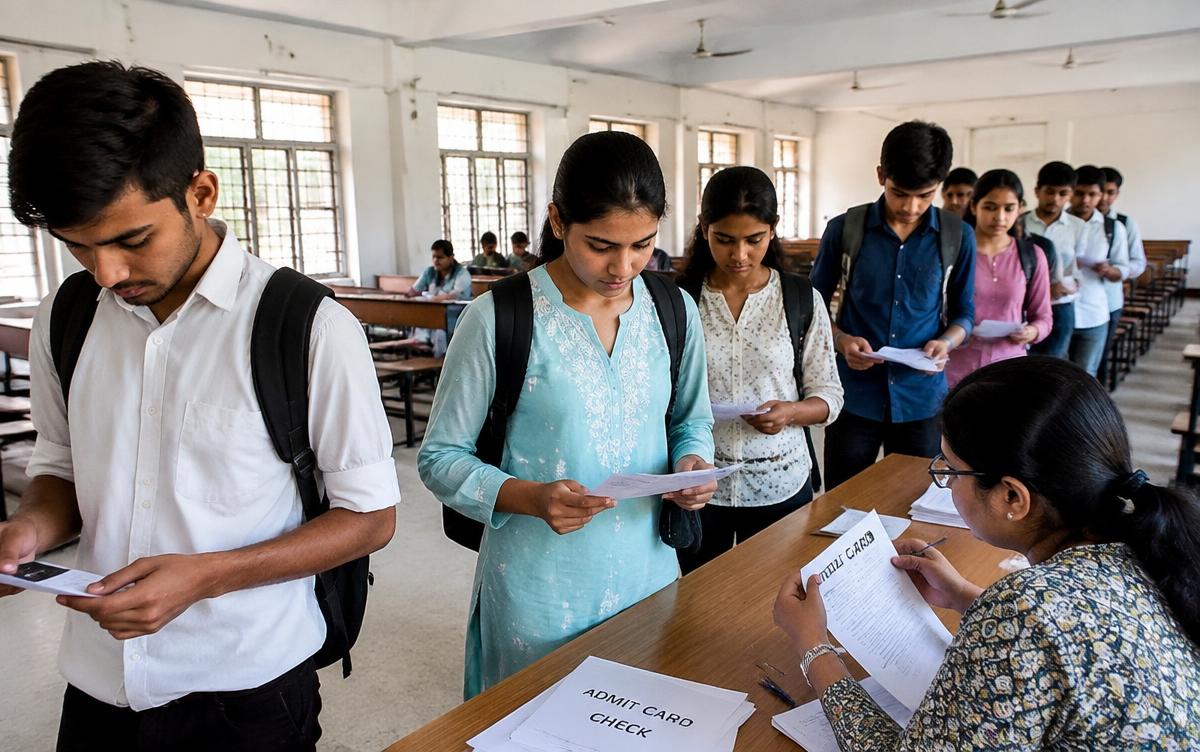
Next, follow the official instructions for test-city choices, slot booking where applicable, admit-card access and examination-day identification. If multiple test sessions are offered, check the application rules, eligibility for each session and how scores are considered. Never assume that a previous year's arrangement still applies. Use only the official schedule for registration, corrections, booking and results, and allow time to resolve technical problems before the published closing points.
Taking BITSAT does not necessarily complete every admission requirement. Candidates must follow the separate instructions for submitting qualifying-examination marks and campus-programme preferences. Arrange choices in your genuine order of preference, including options you would actually accept. BITS conducts its own admission process for these programmes; applicants should not confuse it with JoSAA counselling. Follow official iteration announcements, offer instructions and any wait-list updates applicable to your application.
When an offer arrives, read the acceptance, payment, withdrawal and reporting conditions before acting. Check current fees and refund rules on the official website, and prepare the documents required for verification. Scholarship or financial-assistance eligibility should also be checked separately; an admission offer does not automatically guarantee support. Your final decision should combine course interest, affordability and readiness for the academic workload. For BITSAT, disciplined preparation and careful follow-through are equally important.
AI-assisted article, reviewed by the editor.
Useful resources
Editorial & data policy: Admission dates appear only after an official notice is checked. Uncertain updates await editorial review; AI-assisted articles require staff approval before publication. College records show their source and verification status. Historical predictor estimates are not admission guarantees. Always confirm eligibility, fees and deadlines with the organising authority before applying.