NEET UG Guide: Preparation, Eligibility and the MBBS/BDS Counselling Path
EZCareerGuide Desk · 19 Oct 2026
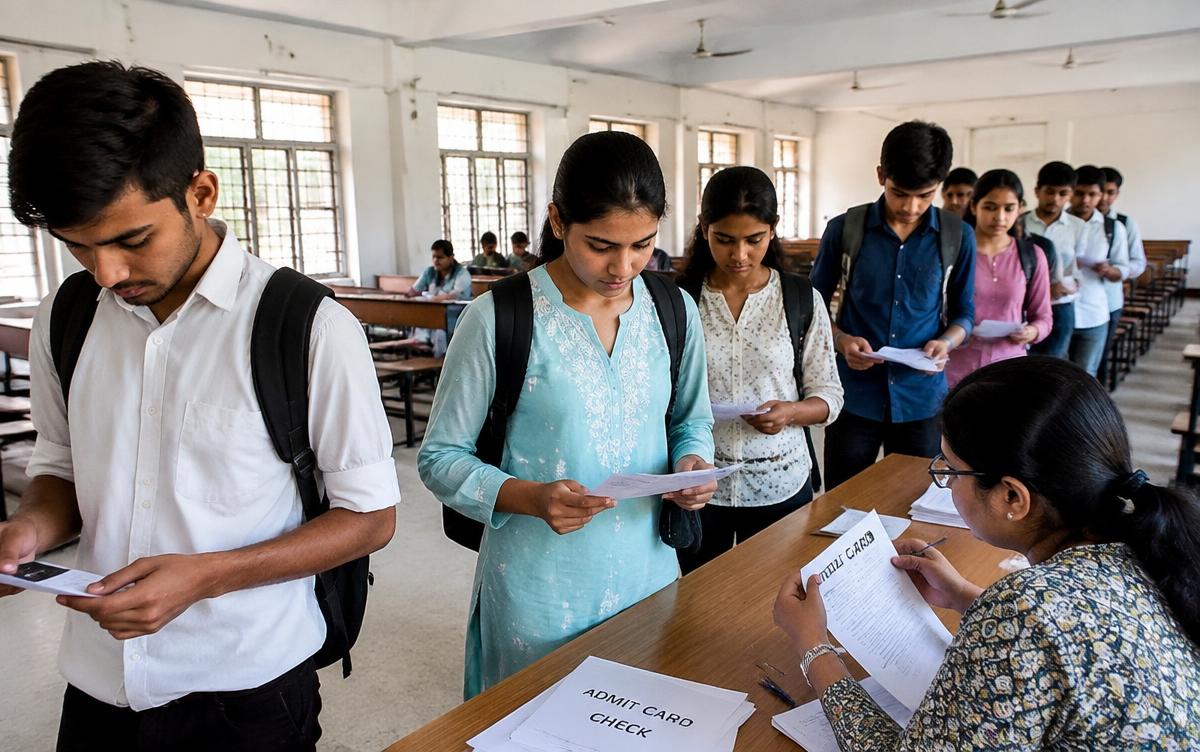
NEET UG preparation involves more than studying Physics, Chemistry and Biology. Students must also understand eligibility, complete the application correctly and follow the right counselling process to secure an MBBS or BDS seat.
For students planning to study medicine or dentistry in India, NEET UG is the entrance examination for admission to MBBS and BDS courses. The National Testing Agency conducts the examination, but getting a score is only one stage of the admission journey. Students must also meet eligibility requirements, register for the relevant counselling process and complete admission formalities after a seat is allotted. Understanding this full path early can prevent avoidable mistakes.
Start with the official NEET UG information bulletin. It explains eligibility, the application process, examination rules, required documents and other important conditions. Use the official NEET website rather than relying only on coaching messages or social media posts. Application dates, examination arrangements and admission rules can change. Always check the latest official notices instead of assuming that an earlier year's process will apply unchanged.
Eligibility needs careful attention before you apply. Candidates must meet the prescribed minimum age requirement and qualifying examination conditions, including the relevant science subjects and English. Requirements concerning Physics, Chemistry, Biology or Biotechnology, practical study and qualifying marks should be checked in the latest bulletin. Category-specific conditions may also apply. Do not assume that studying a science stream automatically makes every candidate eligible.
Students appearing for their qualifying examination should check the conditions under which they may apply and when they must provide proof of passing. If you have studied through an open school, taken additional subjects, changed boards or completed schooling outside India, read the applicable provisions carefully. Seek clarification through official channels if your case is unclear. NEET eligibility and eligibility for a particular state quota or institution are separate checks.
Build your preparation around the official syllabus. Compare it with your school textbooks and make a list of topics you understand, topics that need revision and topics you have not studied. NCERT textbooks are a strong foundation, especially for Biology and core Chemistry concepts. However, the official syllabus should decide your coverage. Avoid skipping a topic simply because someone describes it as unlikely to appear.
In Biology, aim for accurate understanding and recall. Read textbook explanations closely, practise diagrams and compare similar terms or processes. After studying a topic, close the book and explain it in your own words. Follow this with questions that test both direct knowledge and application. Keep a short record of facts you confuse so that revision addresses your actual weaknesses rather than repeatedly covering only familiar material.
For Chemistry, adapt your approach to the topic. Physical Chemistry needs conceptual clarity and regular numerical practice. Organic Chemistry becomes easier when you understand reaction logic and connections instead of memorising isolated answers. Inorganic Chemistry benefits from careful reading and repeated recall. In Physics, work from basic concepts towards application. Check units, signs and assumptions, and analyse why an incorrect option seemed convincing.
A useful timetable is realistic enough to follow alongside school or other responsibilities. Give each subject regular attention, but allow more time for persistent weaknesses. Combine new learning with revision and question practice. Class eleven students can focus on building foundations, while class twelve students need to connect current lessons with earlier topics. Droppers should first identify what limited their previous performance rather than automatically repeating the same study plan.
Mock tests are most useful when followed by analysis. Practise according to the officially notified examination pattern and marking scheme. After each test, separate mistakes into knowledge gaps, calculation errors, misreading and poor time management. Revise the relevant concepts before attempting similar questions again. A mock score alone cannot explain your progress, and predictions about a guaranteed admission score should never replace official results and counselling information.
Protect consistency by keeping your study resources manageable. Frequently changing books, courses or strategies can leave important topics unfinished. Use a dependable main resource for each subject and add extra practice where needed. Maintain regular sleep, meals and breaks. If preparation anxiety becomes difficult to manage, speak to a trusted adult, teacher or qualified counsellor. Exhaustion is not a reliable measure of effective preparation.
Treat the NEET application as carefully as your studies. Enter personal and academic details accurately, upload documents in the prescribed format and save the confirmation page. Check official instructions for identification requirements, category certificates, correction facilities and examination-day documents. Do not assume that every mistake can be corrected later. Keep your login details secure, and verify any payment or application status through the official portal.
Once results are declared, distinguish between qualifying NEET and securing admission. Meeting the qualifying standard makes a candidate eligible for consideration subject to applicable rules; it does not guarantee an MBBS or BDS seat. Allotment depends on factors such as rank, category, eligibility, available seats and submitted preferences. Check official qualifying criteria and counselling records rather than treating an unofficial cutoff prediction as a promise.
The counselling route depends on the seats you want to pursue. The Medical Counselling Committee handles All India Quota seats and specified institutional categories under its notified scope. State and Union Territory counselling authorities handle their respective admission processes, including relevant state quota and other seats covered by their rules. Read both sets of notices where applicable. Domicile, category recognition and institutional eligibility can differ between counselling systems.
Counselling usually involves separate registration, payment where required, choice filling, seat allotment and reporting. Registering for NEET does not automatically register you for counselling. Before submitting choices, compare colleges on recognition, clinical exposure, location, student support, affordability and course suitability. Verify current fees, hostel expenses and any bond or service obligations through official documents. List choices in your genuine preference order after understanding the applicable allotment rules.
After allotment, read the instructions for that round before accepting, upgrading, withdrawing or reporting. Rules on resignation, security deposits and further participation can vary, so do not rely on another candidate's experience. Keep academic records, identity documents, NEET records and applicable category or domicile certificates ready. Check the official document list and reporting deadline. Admission is completed only after the required verification and formalities, not simply when an allotment appears online.
A sound NEET UG strategy combines steady preparation with careful administrative planning. Review your learning regularly, verify eligibility early and track official examination and counselling notices. Discuss MBBS and BDS as distinct professional pathways rather than choosing only by perceived prestige. Never pay anyone promising a guaranteed seat outside the authorised process; informed choices and verified information are essential throughout the admission journey.
AI-assisted article, reviewed by the editor.
Useful resources
Editorial & data policy: Admission dates appear only after an official notice is checked. Uncertain updates await editorial review; AI-assisted articles require staff approval before publication. College records show their source and verification status. Historical predictor estimates are not admission guarantees. Always confirm eligibility, fees and deadlines with the organising authority before applying.