VITEEE Explained: Exam Pattern, Campuses, Admissions and Preparation
EZCareerGuide Desk · 26 Oct 2026
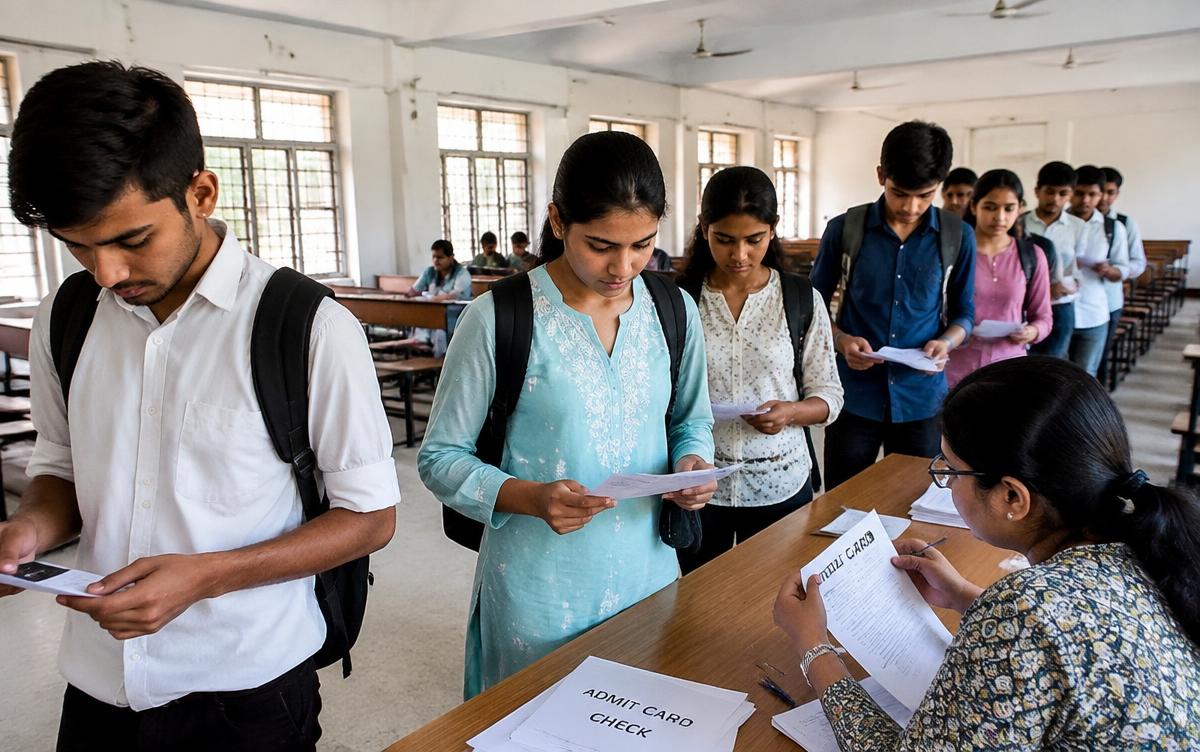
VITEEE is an entrance route for students seeking admission to participating VIT BTech programmes. Understanding the exam structure, campus choices and counselling process can help you prepare better and make a more informed college decision.
The Vellore Institute of Technology Engineering Entrance Examination, commonly called VITEEE, is an undergraduate engineering entrance test conducted by VIT. For students in Classes 11 and 12, as well as eligible droppers, it can be an option alongside other engineering entrance exams. However, preparing for the test is only one part of the journey. You should also understand eligibility, programme restrictions, campus choices, counselling and the total cost of studying before deciding whether VIT fits your plans.
Start with the official VIT website and read the latest VITEEE information brochure. Check the application schedule, eligibility conditions, syllabus, examination instructions and admission policy there. Do not assume that rules from an older brochure or a coaching video still apply. Subject requirements, age conditions, qualifying examination criteria and provisions for different applicant categories should all be verified before you pay the application fee. Droppers should specifically check whether they meet the current eligibility rules.
VITEEE is generally conducted as a computer-based test with multiple-choice questions. Its subject structure includes Physics, Chemistry, English and Aptitude, along with Mathematics or Biology, depending on the permitted subject route. Mathematics is the relevant route for most engineering choices. A Biology-based route may allow access only to specified programmes, so students should not assume that both routes offer identical branch options. Check the official programme eligibility list before selecting your subject combination.
For the exact number of questions, test duration, section distribution and marking scheme, use the latest official brochure. In particular, confirm whether incorrect answers attract a penalty before deciding your guessing strategy. A practice approach based on an outdated marking scheme can affect your performance. Since the examination is computer-based, practise reading questions on a screen, selecting answers carefully and reviewing responses using the available navigation tools. Use any official mock test or demonstration that VIT provides.
The main campus choices associated with VIT engineering admissions are VIT Vellore, VIT Chennai, VIT-AP University in the Amaravati region of Andhra Pradesh, and VIT Bhopal University in Madhya Pradesh. These are not interchangeable choices simply because they share the VIT name. Confirm which institutions and programmes participate in the current admission process. Also verify the degree-awarding institution, campus location and exact programme title for each option you are considering.
Compare campuses through factors that matter to your daily life and long-term goals. Look at the curriculum, laboratories, electives, faculty profiles, student activities, hostel arrangements and travel connectivity. Check campus-specific information rather than assuming that facilities or opportunities described for one campus apply everywhere. If you are comparing career outcomes, read official reports carefully and examine which campus, programme and graduating batch they cover. Avoid making a decision only on promotional claims or social media comparisons.
Branch selection deserves equal attention. Computer Science and its specialisations may attract interest, but the programme name alone does not explain what you will study. Compare core subjects, specialisation modules, project opportunities and flexibility to take electives. Students interested in electronics, mechanical systems, civil engineering or biotechnology should examine those options with the same care. Choose a course whose academic content interests you, rather than relying on an assumed future branch change.
The admission process usually begins with online registration through the official application link provided by VIT. Enter your name, contact details, educational information and subject choices accurately. Upload documents in the required format and retain the payment confirmation and completed application. Use an email address and mobile number that you can access throughout the admission cycle. Check the official portal for any correction facility instead of assuming that every submitted detail can be changed later.
After applying, follow the official instructions for examination scheduling, slot booking where applicable, and downloading the admit card. Read the reporting requirements, identification rules and restrictions on items allowed at the test centre. Following the examination, check your result and counselling instructions through the official portal. A rank or counselling invitation should not be treated as a confirmed seat. Allotment depends on the applicable rules, your choices, eligibility and seat availability.
During counselling, you may need to select combinations of campus, branch and fee category where these options are offered. Understand the financial commitment attached to every preference before submitting it. Consult the official website for current tuition fees, hostel charges, deposits, payment deadlines and refund conditions. Prepare a preference list that balances academic interest, campus suitability and affordability. Avoid selecting an unaffordable option merely because you expect to change it later.
Keep your academic records, identity documents and any applicable category or eligibility certificates ready for verification. Follow the official document list rather than a checklist circulated in a student group. If you receive an allotment, complete the required acceptance, payment and reporting steps within the published schedule. Admission remains subject to the institution’s conditions and verification requirements. Treat claims of guaranteed seats through unofficial agents as a warning sign, and seek clarification directly from the admissions office.
For preparation, begin by comparing the official VITEEE syllabus with your school syllabus. Build a topic checklist and identify weak areas through a diagnostic test. NCERT textbooks can provide a useful foundation, particularly for understanding concepts and revising Chemistry, but use the official syllabus to decide your coverage. In Physics and Mathematics, combine concept revision with regular problem-solving. Biology-route candidates should prepare their prescribed subject thoroughly and check the programmes available through that route.
Do not leave English and Aptitude entirely to the end. Practise comprehension, vocabulary in context and the reasoning skills specified in the syllabus. Move from topic-wise questions to mixed practice and then timed computer-based mocks. After each mock, separate mistakes into conceptual gaps, calculation errors, misread questions and poor time management. Revision should respond to those mistakes rather than simply increase the number of tests attempted. If you are also preparing for JEE Main or board exams, use the syllabus overlap while practising VITEEE’s specific format separately.
Finally, keep preparation and admission planning connected. Maintain a shortlist of acceptable campus-programme combinations, discuss the budget with your family and track official announcements yourself. Explore scholarships through official sources, but check eligibility and renewal conditions before counting on financial support. A good VITEEE plan is not just about performing well in the exam; it is about choosing an eligible, affordable programme that supports your interests and goals.
AI-assisted article, reviewed by the editor.
Useful resources
Editorial & data policy: Admission dates appear only after an official notice is checked. Uncertain updates await editorial review; AI-assisted articles require staff approval before publication. College records show their source and verification status. Historical predictor estimates are not admission guarantees. Always confirm eligibility, fees and deadlines with the organising authority before applying.